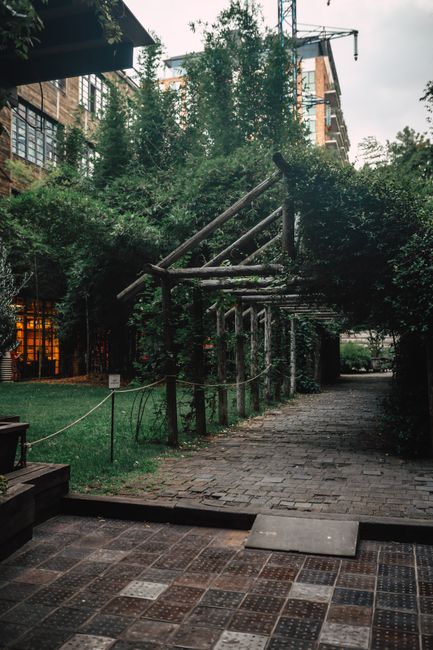
Garden maintenance near Granary Square Kings Cross
If you live or work near Granary Square, you already know the area has its own pace: busy footfall, compact outdoor spaces, rail-side dust, shaded corners, and the kind of planting that can go from neat to messy surprisingly fast. Garden maintenance near Granary Square Kings Cross is not just about mowing a lawn once in a while. It is about keeping a small London garden healthy, presentable, and genuinely usable through the seasons. That might mean regular tidying, hedge work, clearing leaves after a windy week, or making sure a shared courtyard does not start looking neglected. Truth be told, the difference is often one careful visit away from feeling much better.
This guide breaks down what garden maintenance involves, how it works in a dense central London setting, what to expect from a good service, and how to avoid the common mistakes that cost time and money. If you want a broader view of what is available, the services overview is a sensible place to start, and for ongoing care you may also want to look at garden maintenance support as part of a regular plan.
Expert summary: Near Granary Square, the best garden maintenance is usually steady, practical, and seasonal. Think less grand redesign, more smart routine care that keeps planting healthy, paths clear, and outside space pleasant to use.
Table of Contents
- Why Garden maintenance near Granary Square Kings Cross matters
- How Garden maintenance near Granary Square Kings Cross works
- Key benefits and practical advantages
- Who this is for and when it makes sense
- Step-by-step guidance
- Expert tips for better results
- Common mistakes to avoid
- Tools, resources and recommendations
- Law, compliance, standards, or best practice
- Options, methods, or comparison table
- Case study or real-world example
- Practical checklist
- Conclusion
- Frequently asked questions
Why Garden maintenance near Granary Square Kings Cross matters
Granary Square sits in one of the busiest and most design-conscious parts of north London, so outdoor spaces nearby tend to be noticed quickly. A tired front garden, overgrown hedge, or untidy communal border can make a property feel less cared for, even if the interior is immaculate. That is the reality in a place like this. People see the outside first.
Regular maintenance matters for practical reasons too. London gardens are often small, enclosed, and exposed to a mix of shade, pollution, wind tunnels, and patchy sunlight. Plants can become leggy, lawns can thin out, and moss or leaf build-up can make surfaces slippery. Add a few weeks of neglect and suddenly you are dealing with a bigger job than expected. Not ideal, especially if you were hoping for a quick Saturday tidy-up and a cup of tea after.
There is also the question of use. A maintained garden is easier to enjoy. You can step outside without weaving around weeds, dead stems, or overgrown branches. For flats, townhouses, managed blocks, cafes, and hospitality spaces near Kings Cross, that visual order matters even more because outdoor areas can support the overall impression of the property.
Garden maintenance is not only about appearance. It protects long-term planting, reduces trip hazards, keeps pests and damp issues in check, and helps you catch small problems early. A cracked trellis, struggling shrub, or blocked drainage channel is much easier to deal with when someone is looking closely every few weeks rather than once a year.
For gardens that have become cluttered or neglected, it may help to begin with a clean slate through garden clearance before moving into a routine maintenance cycle. That is often the difference between "too far gone" and "back under control".
How Garden maintenance near Granary Square Kings Cross works
A good garden maintenance visit starts with a simple question: what does this space actually need right now? Not every garden needs the same treatment, and near Granary Square the answer often depends on the size of the plot, how much shade it gets, whether it is private or communal, and how often it is used.
In practice, the work usually follows a pattern. First comes a visual check. Then the team looks at the basics: lawn condition, hedge growth, weeds, borders, paths, planters, litter, pruning needs, and any access or safety issues. After that, the priority tasks are handled in a logical order. If the lawn is long, it is cut before the edges are tidied. If hedges are obstructing light or walkways, they are trimmed. If beds are full of fallen leaves, the debris is cleared before any finer work begins.
Many gardens near central London also benefit from occasional specialist tasks. A routine visit might include mowing, but every few months you may need hedge trimming, light pruning, pressure-free tidy work around decking, or the removal of dead growth from trees and shrubs. If you have a structured outdoor area, hedge trimming, lawn mowing, and even decking services can all be part of the wider upkeep picture.
Some jobs are one-off, while others work better on a schedule. To be fair, most urban gardens respond best to regular attention. Small, frequent visits tend to keep things calm. Less drama, fewer expensive surprises. That is usually the sweet spot.
Typical maintenance tasks you might expect
- Grass cutting, edging, and basic lawn care
- Weed removal from beds, paths, and paved areas
- Hedge trimming and light shaping
- Pruning of shrubs, climbers, and seasonal growth
- Leaf clearing and general seasonal tidy-up
- Border refresh and plant health checks
- Waste collection and responsible disposal
- Small repairs or recommendations for more involved work
Key benefits and practical advantages
The most obvious benefit is a garden that simply looks better. But if that were the only gain, maintenance would be an easy sell and nothing more. In reality, the advantages go quite a bit further.
First, you save time. Central London life is busy. Between commuting, work, deliveries, and everyday admin, even a modest garden can end up lower on the list than you meant it to be. A maintenance plan takes that pressure off.
Second, you protect plant health. Shrubs and borders that are regularly monitored are easier to keep balanced. Over-pruning, underwatering, and unchecked disease are much easier to spot when someone is looking carefully every visit.
Third, you reduce emergency jobs. An overgrown hedge can block light. A neglected tree can shed more than expected. A lawn left too long can become patchy. Maintenance helps you stay ahead of the headache.
Fourth, the space becomes more usable. This matters whether you are relaxing after work, entertaining friends, or keeping a shared area presentable for residents and visitors. A tidy garden is simply more inviting. You can feel it the moment you step outside.
Fifth, it supports property presentation. For landlords, managers, and business owners near Kings Cross, an ordered outdoor area contributes to overall perception. Small improvements often have an outsized effect. Slightly annoying, actually, how much a few weeds can change the mood.
| Maintenance approach | Best for | What it delivers | Watch out for |
|---|---|---|---|
| One-off tidy-up | Gardens that just need a reset | Quick visual improvement, cleared borders, removed debris | Issues may return quickly without follow-up |
| Seasonal maintenance | Homeowners and small managed spaces | Adjusts to growth cycles and weather changes | Some jobs may still build up between visits |
| Regular scheduled care | Busy households, blocks, and commercial sites | Consistent presentation and healthier planting | Requires clear scope and good communication |
| Specialist support as needed | Gardens with trees, heavy growth, or structural features | Focused help for more technical tasks | May need separate planning or access arrangements |
Who this is for and when it makes sense
Garden maintenance near Granary Square Kings Cross makes sense for more people than you might think. It is not only for large gardens or people with deep planting knowledge. In fact, compact city gardens often need the most consistent care because they deteriorate quickly when ignored.
This service is a strong fit if you are:
- A homeowner who wants the garden to stay neat without losing weekends to endless weeding
- A landlord trying to keep a property presentable between tenancies
- A managing agent responsible for shared outdoor areas
- A business owner with frontage, planters, or outdoor seating
- An older resident who can still enjoy the garden but no longer wants the physical work
- A busy professional who keeps meaning to sort the garden "next month"
It also makes sense after a renovation, landscaping project, or long period of neglect. Once a space has been improved, you need a way to keep it that way. That is where regular care earns its keep. If the garden has been reshaped or upgraded, linking the maintenance plan with landscape gardening or landscaping work can help protect the original investment.
And if trees are part of the picture, do not ignore them. Small overhanging branches become a nuisance faster than most people expect. For that side of the job, tree lopping and removal may be relevant where safety, light, or clearance becomes an issue.
Step-by-step guidance
If you want a practical way to approach garden maintenance near Granary Square Kings Cross, keep it simple. The best results usually come from a structured routine rather than sporadic bursts of effort.
- Assess the space honestly. Walk the garden slowly and look for the obvious issues first: long grass, weeds, dead growth, blocked drains, broken containers, and anything that looks unsafe or messy.
- Split the work into categories. Separate lawns, borders, hedges, trees, hard surfaces, and waste removal. That makes planning far less chaotic.
- Decide what needs recurring care. Some tasks are monthly, some seasonal, some only occasional. Mowing might be frequent in summer; pruning and deeper tidy work may be less regular.
- Handle the visible basics first. If time is limited, start with the things people notice straight away: edges, paths, litter, dead leaves, and overgrowth near entrances.
- Then deal with plant health. Prune selectively, feed where necessary, and remove only what genuinely needs removing. Heavy-handed cuts can do more harm than good.
- Finish with waste removal. In a city setting, left-over green waste makes everything look half-finished. Clearing it properly matters more than many people think.
- Review what comes back quickly. If a particular bed fills with weeds every fortnight, or a hedge shoots up after rain, adjust the schedule instead of fighting the same battle repeatedly.
A useful rule of thumb: the more often a garden is checked, the less extreme each visit needs to be. That sounds obvious, but it is where lots of people slip. They wait too long, then the job becomes bigger, heavier, and more irritating. Been there, seen that, heard the sighs.
Expert tips for better results
There are a few small habits that make garden maintenance in this part of London much smoother. None of them are flashy, but they save time and keep the garden looking calmer.
Work with the season, not against it. In spring, growth can surge quickly. In late summer, you may need more frequent tidy work than expected. Autumn brings leaves, damp, and slippery surfaces. Winter is often about protection, drainage, and clearing rather than pushing plants too hard.
Prioritise access. Narrow side returns, shared gates, and basement steps are common around Kings Cross. Make sure the route in and out is clear before work begins. It sounds simple, but access delays can slow everything down.
Keep one eye on drainage. Pooled water, blocked gullies, and soggy borders are easy to miss until the damage is obvious. A quick check after heavy rain can prevent bigger problems later.
Do not over-trim for the sake of neatness. A bit of shape is helpful. Too much cutting can weaken plants, expose bare stems, and leave the garden looking harsh. Less can be more. Really.
Use a maintenance calendar. Even a rough monthly note on mowing, hedge cutting, leaf clearing, and pruning makes a huge difference. You are less likely to forget the jobs that keep everything ticking along.
Choose a provider that respects the site. Near Granary Square, there may be neighbours, residents, customers, or passers-by close to the work area. Good communication, tidy working habits, and safe handling of tools all matter.
If you want to understand how a provider approaches safety, waste handling, or customer care, it is worth reading pages such as insurance and safety and recycling and sustainability. Those details are not glamorous, but they tell you a lot.
Common mistakes to avoid
A lot of garden problems near central London are less about bad luck and more about delayed decisions. The same patterns crop up again and again.
- Leaving maintenance too long. A garden does not usually become unmanageable overnight. It tends to drift there slowly, which is why a simple routine is so effective.
- Cutting everything back at once. Heavy pruning because the garden "looked messy" can damage plants that only needed selective tidying.
- Ignoring the lawn until it is patchy. Lawns are forgiving, but only up to a point. Once they are stressed, recovery takes longer.
- Forgetting about waste. Clippings, branches, and bags of cuttings can make a freshly worked garden look unfinished if they are left behind.
- Overlooking shared boundaries. Hedges, fences, and overhanging growth can cause neighbour friction if nobody is paying attention.
- Assuming every task is suitable for a quick DIY fix. Some jobs are fine to handle yourself, but tree work, awkward access, or larger clearance jobs may be better left to experienced hands.
One more thing: people often focus on colour and planting, then forget the basics that hold a garden together. The gravel edge. The path. The blocked corner. The patch of weeds by the bins. Those are the bits that quietly shape whether the space feels cared for or not.
Tools, resources and recommendations
You do not need a giant toolkit to keep a city garden under control, but the right basics make life much easier. In practice, a good maintenance setup usually includes reliable cutting tools, a rake, gloves, secateurs, a leaf collector, and containers for waste. If the garden has hard landscaping, simple brushes and edge tools matter too.
For more structured or professional support, a sensible starting point is to review the wider range of services and see which tasks belong together. For example, regular mowing, hedge trimming, and seasonal clearance often work best as one plan rather than separate calls. That is why a page like services overview can help you think through the full picture before you book anything.
Some properties also benefit from one-off support before maintenance begins. If there is a lot of accumulated waste or overgrowth, garden clearance creates room for the real maintenance work to actually happen. That sounds obvious, but it is often the missing step.
Practical recommendation: ask yourself whether the garden needs a reset, a routine, or both. If it needs both, start with the reset. Otherwise you may end up pruning around clutter, which is a bit like polishing a window before cleaning the frame.
Law, compliance, standards, or best practice
Garden maintenance is a practical service, but it still sits within normal UK expectations around safety, waste handling, and responsible site work. Exact legal duties can vary depending on the property type and the work involved, so it is sensible to approach this carefully rather than make sweeping claims.
For domestic gardens, the main best-practice points are straightforward:
- Use tools safely and keep bystanders clear of the work area
- Dispose of green waste responsibly
- Avoid damaging neighbour boundaries or shared access routes
- Take extra care with ladders, slopes, wet paving, and hidden trip hazards
- Check whether any larger tree or structural work needs specialist attention
For shared or managed sites, there is usually a stronger need for coordination. Residents, tenants, visitors, and staff should not be put at risk by loose debris, trailing branches, or incomplete clear-ups. Good communication is part of best practice too. If work is being done around active entrances, the site should stay accessible and sensible to move through.
It is also worth checking how a provider handles insurance, complaints, payments, and company information. Those may not be the most exciting pages on a website, but they give useful reassurance. You can look at payment and security, complaints procedure, and about us for a clearer sense of how a company works.
In central London, where properties are tightly packed and access can be awkward, professionalism matters as much as gardening skill. Maybe more, if we are honest.
Options, methods, or comparison table
Different gardens call for different levels of care. A small courtyard near Granary Square will not need the same routine as a larger family garden or a managed commercial frontage. The comparison below may help you work out what is most appropriate.
| Method | How it works | Pros | Cons | Best fit |
|---|---|---|---|---|
| DIY upkeep | You do the mowing, weeding, and basic tidying yourself | Low direct cost, flexible timing | Time-consuming, easy to delay, may miss hidden issues | Very small gardens or light-touch needs |
| One-off professional visit | A team comes in to restore order and tidy up key areas | Fast reset, visibly better results | Does not prevent future build-up unless followed by routine care | Neglected gardens, move-ins, or pre-event tidy-ups |
| Scheduled maintenance | Regular visits cover recurring tasks on a planned basis | Consistent appearance, better plant health, easier budgeting | Needs planning and a clear scope | Most homes, blocks, and business settings |
| Maintenance plus specialist work | Routine care is paired with hedge, tree, clearance, or landscaping tasks | More complete solution, better for complex gardens | May require separate scheduling | Gardens with mixed needs or structural features |
If your space includes heavy planting, awkward access, or tired hard landscaping, combining maintenance with broader improvement work can be the smarter route. That is where landscape gardening or landscaping may come into play, especially if the garden has outgrown its original layout.
Case study or real-world example
Imagine a compact rear garden close to Granary Square. The owner has been busy, the hedge has crept higher than expected, the lawn is uneven, and autumn leaves have gathered along the fence line. Nothing dramatic. Just the sort of thing that sneaks up on you after a few months of "I'll deal with it next weekend".
The first visit focuses on removing the clutter: leaves, cuttings, and obvious weeds. The lawn is cut back to a manageable level, the edges are defined, and the hedge is trimmed to bring back light. After that, the borders are checked for struggling plants and the soil surface is cleaned up so it can breathe again. A small amount of pruning opens the space, and the final sweep clears the hard surfaces.
The noticeable change is not only visual. The garden feels larger. It smells cleaner after the cuttings are removed. The path is easier to walk on. The owner can now see what needs ongoing attention, rather than staring at a blur of overgrowth. That is often how these jobs go in real life: the first win is clarity. Then the routine becomes easier.
In a second phase, the owner sets a simple monthly maintenance schedule with seasonal checks. The result is not perfection, and it does not need to be. The space stays neat enough to enjoy, and the bigger interventions become rare. Honestly, that is usually the best outcome.
Practical checklist
Use this checklist if you are preparing for garden maintenance near Granary Square Kings Cross, whether it is for your own home or a managed space.
- Identify the main problem areas: lawn, hedge, borders, paths, trees, or waste build-up
- Decide whether the garden needs a one-off reset or regular care
- Check access, gate codes, parking, and working space before the visit
- Remove personal items, toys, and fragile pots from the work area
- Note any known issues such as drainage problems or uneven paving
- Flag plants that should not be cut back heavily
- Confirm how green waste will be collected and removed
- Ask whether the visit includes edging, pruning, and tidy-up as standard
- Set a realistic follow-up schedule so the garden does not drift again
- Keep a simple record of what was done and what needs attention next time
Quick reminder: If the garden looks overwhelming, that is not a sign you have failed. It usually just means the first visit needs to be a little more decisive. After that, things get easier.
Conclusion
Garden maintenance near Granary Square Kings Cross is really about making an outdoor space live well in a busy part of London. It keeps gardens tidy, safer, healthier, and easier to enjoy. It also saves you from the cycle of letting everything build up and then facing a weekend-long battle with weeds, leaves, and overgrown edges. Nobody needs that, especially not in a city where your time already feels short.
The smartest approach is usually steady and seasonal: clear what is cluttered, maintain what grows quickly, and keep an eye on the small details that change how the space feels. Whether you are looking after a private garden, a shared courtyard, or a frontage that needs to look presentable every day, a thoughtful maintenance plan makes a real difference. And once it is in place, the whole thing becomes much less stressful.
If you are comparing options or planning a broader tidy-up, take a look at the relevant service pages and company information first so you know exactly what suits your space. A little planning now saves a lot of chasing later, and that is usually a good trade.
Get a free quote today and see how much you can save.
Frequently Asked Questions
What does garden maintenance near Granary Square Kings Cross usually include?
It usually covers mowing, edging, weeding, hedge trimming, pruning, leaf clearing, border tidying, and waste removal. Some gardens also need occasional tree or clearance work depending on size and growth.
How often should a garden near Kings Cross be maintained?
That depends on the size and style of the garden, but many urban spaces benefit from regular visits rather than occasional heavy work. In spring and summer, growth can move fast, so maintenance may need to be more frequent.
Is one-off garden clearance enough?
It can be enough if the aim is simply to restore order for now. But if you want the garden to stay tidy, a follow-up maintenance schedule is usually the better option.
Can garden maintenance help with small courtyards and roof terraces?
Yes, absolutely. Smaller spaces often need careful, regular attention because they become cluttered quickly. Compact gardens can be surprisingly high-maintenance, to be fair.
What should I do before a maintenance visit?
Clear access, move fragile items, mention any problem areas, and let the provider know about gates, parking, or shared entrances. A bit of prep makes the visit smoother.
Do I need hedge trimming separately from general garden maintenance?
Sometimes yes, sometimes no. If hedges are significant or need specialist shaping, it may be listed as a separate task. In other cases, it can be folded into routine maintenance.
What if my garden has become heavily overgrown?
Then a clearance-first approach is often best. Once the space is reset, regular maintenance becomes much easier and less expensive to keep going.
How do I know whether I need landscaping rather than maintenance?
If the layout is poor, planting is failing, or the hard landscaping is no longer practical, maintenance alone may not be enough. That is when broader improvements or landscaping work may be worth considering.
Is waste removal usually part of the service?
It often is, but it is sensible to confirm in advance. Green waste can build up quickly, and a tidy finish matters just as much as the cutting itself.
Are tree-related jobs included in routine garden maintenance?
Minor tidying may be, but more involved tree work normally needs specialist attention. If branches are large, awkward, or affecting safety, look at dedicated tree services rather than assuming it is all part of standard upkeep.
How can I keep costs under control?
Regular maintenance usually helps because small tasks are easier to manage than big recoveries. It also helps to group related jobs together and stay ahead of seasonal growth.
Where can I find more information about the company and service standards?
You can review the company background on about us, and check practical details such as insurance and safety, payment and security, and the recycling and sustainability approach.