Same day gardeners for storm and flood jobs Kings Cross
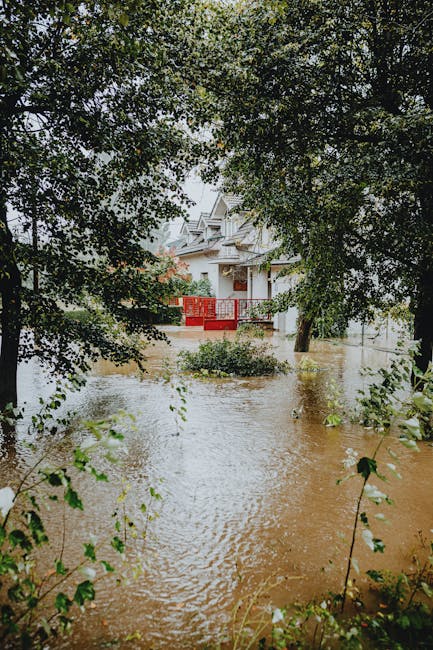
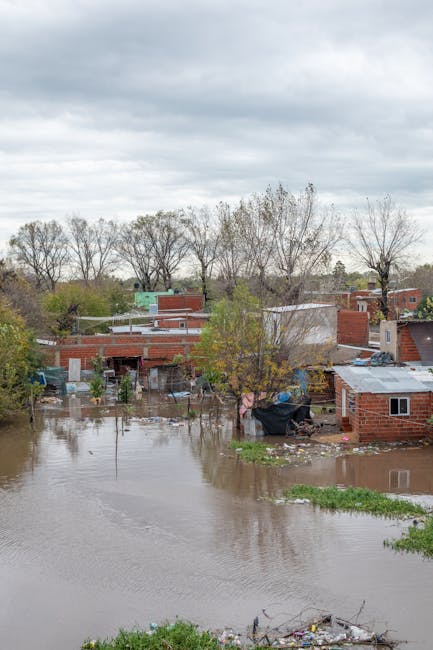
When a storm rolls through Kings Cross, the aftermath can be messy in a way that feels immediate and oddly overwhelming. Broken branches on the path, waterlogged borders, flattened plants, soil washed into drains, decking slick underfoot, and a garden that suddenly looks nothing like it did the day before. If you need same day gardeners for storm and flood jobs Kings Cross, the priority is not just tidying up. It is making the space safe, stopping further damage, and getting the garden back to a workable condition as quickly as possible.
This guide explains what a rapid-response garden cleanup actually involves, how it works, when it makes sense, and what to look for before you book. We will also cover practical steps, common mistakes, and a few simple best practices that make a big difference when the weather has been rough. Let's face it, after a heavy downpour you do not want theory. You want clear answers and a team that can turn up and get on with it.
Why Same day gardeners for storm and flood jobs Kings Cross Matters
Storm and flood damage in a garden is different from routine maintenance. A normal visit might focus on lawn care, hedging, or seasonal pruning. An emergency visit needs a faster eye for risk. Is that branch likely to fall again? Is water sitting where it should drain away? Has the wind exposed roots or loosened fencing? Those are the kinds of questions that matter first.
In Kings Cross, where many gardens are compact, shared, or bordered by walls, outbuildings, and paved surfaces, storm debris can become more than an inconvenience. A fallen limb across a narrow access route can block bins, deliveries, and daily movement. Flooding can leave mud, sludge, and soaked plant beds that quickly smell stale and start to compact. Once that happens, the longer you wait, the harder the recovery usually gets.
Same-day support matters because the first few hours after weather damage often shape the outcome. Clearing damaged material promptly can reduce slip risks, make inspections easier, and help you understand what is salvageable. It can also prevent the classic London garden problem: one bit of bad weather turning into a whole season of repair. Not ideal, to put it mildly.
There is also a peace-of-mind factor. If you have children, elderly family members, tenants, or neighbours using the space, you want hazards removed quickly and sensibly. A fast response does not mean a rushed response. It means practical judgement, decent equipment, and a method that puts safety first.
How Same day gardeners for storm and flood jobs Kings Cross Works
The process is usually simpler than people expect. You describe the problem, share what you can see, and the gardener decides what can be handled on the same day. If the job is suitable, the team comes out prepared for clearance, light repairs, cut-back work, or waste removal. The best jobs are the ones where the problem is clear, access is possible, and the main aim is to restore safety and function quickly.
In practical terms, a same-day storm or flood job often starts with a quick assessment. That means looking at visible damage, checking for unstable branches, pooling water, blocked access, and any debris that could scratch paving or damage plantings. From there, the work may include removing fallen material, cutting back broken growth, raking and lifting sodden waste, and making sure pathways are usable again.
It is worth understanding the difference between emergency clearance and full restoration. Same-day gardeners can often make a space safe and tidy, but a garden that has been badly flooded may need follow-up work later. That might include soil improvement, replanting, drainage adjustments, or more structured landscaping support. If the damage is broader, a service like garden clearance or landscaping may be the next sensible step once the immediate mess is under control.
A good provider will also keep an eye on how the work is being carried out. Wet surfaces, hidden nails, snapped timber, and heavy branches can all create avoidable hazards. The point is not just speed. It is speed with judgement.
Key Benefits and Practical Advantages
There are a few clear reasons people choose same-day help after severe weather. Some are obvious, others only become clear once you have lived through the chaos of a waterlogged garden at 8am on a weekday. Here are the main advantages:
- Immediate safety improvement - loose branches, slippery paths, and obstructed access are dealt with quickly.
- Less secondary damage - removing fallen debris early can stop it from crushing plants or marking hard surfaces.
- Faster return to normal - you can use the garden, path, or access point again without waiting days.
- Clearer decision-making - once the debris is gone, it is easier to see what needs repair, pruning, or replacement.
- Reduced stress - there is a huge difference between staring at a messy, unsafe space and knowing someone is already on it.
There is a practical knock-on benefit too. A quick response can make later maintenance easier. If storm damage is left to rot or mat down, it can create pockets where mould, pests, or plant disease take hold. Nobody wants that. A damp garden in late afternoon, with the smell of wet leaves and churned soil, can turn from manageable to grim surprisingly fast.
For customers who already use ongoing maintenance, rapid storm response can fit neatly alongside routine care. A provider that already handles garden maintenance, lawn mowing, and hedge trimming is often better placed to understand what should be cleared now and what can wait for a planned visit later.
Who This Is For and When It Makes Sense
This service is not only for obvious emergencies with big fallen trees. It can be useful for a much wider group of people. If the weather has damaged your garden and you need the problem dealt with today, you are probably in scope. That might include a private homeowner, a landlord, a managing agent, a tenant with permission to arrange access, or a business with a usable outdoor area that has been hit by debris.
It makes sense when the issue is time-sensitive or safety-related. For example, a branch blocking a rear gate is a same-day job. A flooded patio that has become slippery may also qualify. A border full of broken stems after wind damage? Very likely. A garden that simply looks untidy after a breezy night probably does not need emergency callout treatment. There is a difference, and it helps to be honest about it.
This is also relevant if the damage affects neighbouring boundaries or shared access. In tightly built parts of London, one garden can quickly impact another. A leaning fence panel, a blocked drain edge, or a pile of wet waste against a dividing wall can become somebody else's problem before you know it. That is why speed matters in shared spaces.
If you are unsure whether it is urgent enough, ask yourself one question: is there a safety, access, or damage-escalation risk if I wait until tomorrow? If the answer is yes, same-day support is usually worth exploring.
Step-by-Step Guidance
Here is a simple way to handle storm and flood garden work without overcomplicating it. It is the kind of process that saves time, and a bit of sanity too.
- Look at the space from a safe distance. Do not stand under unstable branches or near loose fencing. If something looks likely to fall, treat it as unstable.
- Identify the biggest risk first. Is it blocked access, pooled water, sharp debris, or a heavy branch resting on other plants?
- Take a few clear photos. This helps explain the job and avoids confusion. A couple of wide shots and one or two close-ups are usually enough.
- Check whether the area can be accessed safely. If gates are jammed, paths are very muddy, or there are pets on site, mention that early.
- Describe what needs to happen today. Be direct. Say whether you need clearance, safety work, waterlogged waste removal, or a quick tidy after storm damage.
- Ask what may need follow-up. Some issues can be made safe on day one, then restored properly later. That is normal, not a failure.
- Keep the area clear before the team arrives. Move cars, bins, bikes, or garden furniture if you can do so safely.
A small but useful detail: if your garden has decking or smooth paving, mention that the surface is wet and slippery. That sounds obvious, but in the moment people forget. Then someone arrives in heavy boots and the whole thing becomes awkward. A quick heads-up prevents that.
For larger clear-ups, it helps to know which tasks sit under broader outdoor care. A team that also offers tree lopping and removal can deal with broken limbs more confidently, while a service such as decking services may matter later if storm water has affected timber surfaces or fixings.
Expert Tips for Better Results
Storm jobs go better when the brief is clear and the site is prepared. That sounds simple, but it is where a lot of avoidable delay happens. In our experience, the best outcomes usually come from quick decisions, not perfect information. You do not need to know every detail. You just need to say what is broken, wet, blocked, or unsafe.
Try these practical tips:
- Prioritise access routes. A clear path to the garden, side passage, or rear gate usually makes the whole visit smoother.
- Separate urgent risks from cosmetic damage. A damaged planter can wait; a loose branch over a walkway cannot.
- Avoid DIY lifting of heavy wet debris. Saturated branches and soaked bags are much heavier than they look. Really heavy, actually.
- Be realistic about restoration. Flooded soil may need time to recover before replanting or reseeding.
- Ask for a clear scope of work. Even a short explanation of what will be cleared today and what remains for later helps avoid misunderstandings.
Another good habit is to think in layers. First, make safe. Second, clear the mess. Third, assess what is left. Fourth, plan repairs. People often jump straight to repair when the space is still unstable. That is backwards, and a bit like painting a wall before checking whether the leak has stopped.
If long-term improvement is needed after the weather event, a provider who can also support landscape gardening or broader services overview planning may be useful once the immediate damage has been handled.
Common Mistakes to Avoid
After a storm, people tend to move quickly, which is understandable. But a few common mistakes can make matters worse:
- Starting with the wrong priority. Tidying decorative areas before clearing hazards wastes time.
- Underestimating weight and instability. Wet branches and debris can be much harder to move than expected.
- Ignoring hidden damage. A fence panel may look fine until you notice the posts have shifted.
- Letting soaked waste sit too long. It can smell, attract pests, and flatten surrounding growth.
- Assuming everything is a same-day fix. Sometimes the right answer is emergency clearing now, full repair later.
- Not mentioning access issues. Narrow gates, shared courtyards, and basement entries matter a lot in Kings Cross properties.
The biggest one? Waiting too long because you hope the garden will "dry out a bit first." Fair enough, but if branches are hanging low or water is pooling where people walk, delay is not your friend. The safe thing is usually the sensible thing.
Tools, Resources and Recommendations
Most homeowners do not need specialist equipment, but it helps to understand what a proper storm or flood clean-up usually relies on. That way you know whether the job is being handled properly or just looked at quickly and shrugged off.
| Task | Typical approach | Why it matters |
|---|---|---|
| Branch and debris removal | Cut, lift, bundle, and remove safely | Prevents further breakage and clears access |
| Flooded border clean-up | Remove silted waste and reshape disturbed areas | Reduces rot, smell, and soil compaction |
| Pathway safety | Clear mud, leaves, and slippery residue | Helps reduce slips and trips |
| Follow-up recovery | Prune, replant, or improve drainage where needed | Supports longer-term garden health |
In terms of service choice, look for clear communication, sensible scheduling, and proper waste handling. If you are comparing providers, it can also help to read the company's pricing and quotes guidance so you know how estimates are typically handled. If you want reassurance about working methods and standards, their insurance and safety information and health and safety policy are worth a look too.
For sustainability-minded customers, it is reasonable to ask how green waste is handled, especially after a large clear-up. If that matters to you, check the company's recycling and sustainability approach. Simple, practical, no fuss.
Law, Compliance, Standards, or Best Practice
Storm and flood garden work can involve safety considerations, waste handling, and sometimes work near boundaries, structures, or shared access. While this article is not legal advice, there are a few sensible best-practice points to keep in mind in the UK context.
First, safe working methods matter. Wet surfaces, unstable timber, damaged fencing, and fallen branches all carry avoidable risk. A responsible gardener should assess the site before lifting heavy material or cutting anything that may still be under tension. That sounds obvious, but rushed jobs do happen, and they are best avoided.
Second, waste should be handled responsibly. Garden clear-up can produce a lot of organic waste, and it should not be dumped carelessly. Reputable providers usually separate, transport, and dispose of material in line with ordinary environmental expectations. If your property has shared access or communal areas, that becomes even more important.
Third, if the storm has affected trees, large limbs, or structures, do not assume every issue can be solved with a quick trim. Sometimes a more careful inspection is needed before anything is cut or removed. The safest approach is a measured one, not a heroic one. Heroics are overrated in gardens, frankly.
Finally, if a job involves working conditions that are visibly hazardous, a provider may need to pause and reassess rather than push ahead. That is a good sign, not a bad one. Good practice is usually the thing that feels a tiny bit cautious at first.
Options, Methods, or Comparison Table
Not every storm or flood job needs the same response. Here is a straightforward comparison that may help you decide what level of support you need.
| Option | Best for | What you get | Limitations |
|---|---|---|---|
| Same-day garden emergency cleanup | Immediate hazards, blocked access, fallen debris, slippery paths | Fast make-safe work and practical clearance | May not include full restoration or redesign |
| Planned garden clearance | Heavier waste, mixed debris, or a garden that needs a fuller reset | More time for sorting, removal, and tidy-up | Not as urgent; may not suit same-day risk issues |
| Ongoing maintenance visit | Recovering gardens that now need regular care | Routine pruning, mowing, edging, and light upkeep | Not ideal for active flood or storm hazards |
| Landscape repair or improvement | Gardens that need lasting changes after repeated weather issues | Better structure, planting, or surface planning | Takes longer and usually follows emergency work |
For many Kings Cross properties, the right answer is a mix: emergency clearance now, then maintenance or repair later. That staged approach is often the least stressful one. And usually the most sensible, too.
Case Study or Real-World Example
Picture a small back garden behind a terraced property near Kings Cross after a night of heavy rain and wind. By morning, a heavy planter has tipped, several branches are scattered across the patio, and the lawn has turned patchy with mud. The gate is still usable, but only just. There is no dramatic collapse, nothing cinematic, just the kind of messy, awkward damage that quietly gets worse if ignored.
In that situation, a same-day response would usually focus on three things: making the walkway safe, clearing the broken material, and checking whether the plant beds or fence line have shifted. The gardener would not try to re-landscape the whole garden there and then. They would make it functional, remove what is hazardous, and point out what needs follow-up. That distinction matters. It saves money, time, and a bit of panic.
Later, once the soil has settled, the homeowner might decide to improve drainage, replace the damaged planter, and schedule regular maintenance to stop the area becoming tangled again. A one-off emergency job becomes the start of a better long-term setup. That is often how it goes, truth be told.
For a property like this, related services such as garden maintenance and lawn mowing can help the space recover calmly after the immediate storm work is done.
Practical Checklist
Use this checklist if you are arranging help after storm or flood damage. It is simple, but it covers the bits people forget when the garden is half underwater and the phone is buzzing.
- Take photos of the damage from a safe position.
- Note whether access is blocked or difficult.
- Identify any loose branches, unstable fencing, or slipped surfaces.
- Move pets, children, and valuables away from the work area.
- Clear a route for the gardener if it can be done safely.
- Explain what needs doing today versus what can wait.
- Ask whether follow-up work may be needed after the initial clearance.
- Check any relevant company information about safety, insurance, and pricing.
- Keep the area off-limits until the hazards have been removed.
Expert summary: After storm or flood damage, the smartest first move is not to rebuild the garden. It is to make the space safe, remove unstable material, and then decide what recovery work is truly needed. Quick, calm, practical. That is the formula.
For service background, company details, and how the wider team works, it can also help to read the about us page and the broader services overview. If you prefer to check policies before booking, the site's terms and conditions and privacy policy are there as well.
Get a free quote today and see how much you can save.
If your garden has been hit by weather and you want a quick, sensible response, do not let the damage sit and simmer for days. A prompt visit can turn a stressful morning into a manageable one, and that relief is worth a lot. Sometimes the best fix is simply getting the right hands on the problem early.
Conclusion
Same-day storm and flood garden work is about more than convenience. It is about safety, access, and getting control back when the weather has made a mess of things. In Kings Cross, where gardens can be tight, shared, or hard to access, fast action often makes the difference between a small repair job and a much bigger project later on.
The best approach is straightforward: identify the risk, clear the hazard, and then plan the recovery. If you choose a provider that communicates clearly, works safely, and understands the practical realities of wet, wind-damaged gardens, you will feel the benefit very quickly. And honestly, that first moment when the path is clear again? It takes a weight off.
One last thought: gardens recover. Sometimes more slowly than we would like, but they do recover. A sensible same-day response gives them the best possible start.
Frequently Asked Questions
What counts as a same-day storm or flood garden job?
It usually means urgent garden work that needs attention on the same day because of safety, access, or worsening damage. Fallen branches, blocked paths, slippery surfaces, and waterlogged debris are common examples.
Can same-day gardeners deal with broken branches and fallen limbs?
Yes, provided the situation is safe and the branch size is manageable. Larger or more complex tree damage may need a more careful assessment first, especially if it is under tension or near a structure.
What should I do before the gardener arrives?
If it is safe, take photos, clear access routes, move pets away, and describe the main hazard clearly. Do not try to lift heavy wet debris or stand near unstable branches.
Do storm and flood jobs always need a full garden clearance?
No. Some jobs only need immediate hazard removal and a tidy-up. Others lead into a fuller garden clearance once the emergency is handled.
How quickly can a garden be made safe after flooding?
That depends on the size of the area, access, and the severity of the damage. Often, the first goal is to remove obvious hazards and restore safe movement, then deal with recovery work afterwards.
Is it worth calling for same-day help if the garden just looks messy?
If there is no safety issue and no risk of further damage, it may be better to book a routine visit instead. Same-day support makes the most sense when the mess is also a hazard or access problem.
Will the gardener fix drainage problems too?
Some drainage-related issues may be assessed during the visit, but significant drainage improvements usually need a follow-up plan. If the garden needs structural or layout changes, landscaping may be more appropriate later.
What if the storm damage affects fencing or timber features?
The immediate priority is still safety. Loose panels, splintered timber, or unstable structures should be treated carefully. In some cases, work may need to be paused until the area is properly secured.
How do I know whether a provider is trustworthy?
Look for clear pricing guidance, sensible safety information, and straightforward communication. Helpful pages such as insurance and safety and health and safety policy can give you a better feel for how seriously the company handles risk.
Can same-day gardening help after a flood prevent more damage?
Yes, often it can. Quick removal of saturated debris, slippery residue, and blocked access can reduce secondary damage and make the site easier to recover.
What if I need regular maintenance after the emergency is over?
That is very common. Once the urgent work is done, a garden may benefit from routine support such as garden maintenance, hedge trimming, or lawn mowing.
How do quotes usually work for urgent garden jobs?
For fast-turnaround work, quotes are often based on the visible scope, access, and urgency. It helps to send photos and a short description upfront so the estimate is as accurate as possible. If you want to understand the process better, check the company's pricing and quotes page.
Who should I contact for more general service information?
If you need broader details about the company and what it covers, start with the services overview or the contact us page when you are ready to make an enquiry.