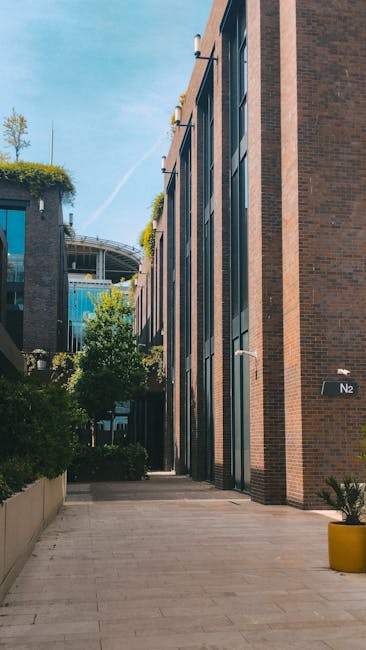
Top gardeners for N1C apartments Coal Drops Yard
If you live in an N1C apartment near Coal Drops Yard, you already know the challenge: you want greenery that feels calm and polished, but you do not have the luxury of a big garden or endless spare time. That is exactly where the right gardener makes a difference. The best Top gardeners for N1C apartments Coal Drops Yard understand balconies, roof terraces, compact courtyards, and the slightly awkward realities of city living. They know how to keep plants thriving without turning your home into a mess of compost bags, leaf drop, and half-finished jobs.
In this guide, we'll walk through what good apartment gardening actually looks like in this part of London, how to choose the right help, what services matter most, and where people often go wrong. You will also find a practical checklist, a comparison table, and some plain-English guidance on best practice. No fluff. Just the stuff that saves time, money, and a fair bit of frustration.
Why Top gardeners for N1C apartments Coal Drops Yard Matters
Coal Drops Yard sits in one of London's most distinctive urban pockets, and apartment outdoor spaces there tend to be compact, exposed, and design-led. That mix is lovely, but it changes what "gardening" means. You are not maintaining a traditional back garden with borders and lawn. You are usually looking after containers, raised beds, climbers, seasonal planting, and maybe a few precious square metres of terrace space.
That means the gardener you choose needs a different skill set. A general gardener can mow lawns and tidy beds. A good apartment gardener can also understand drainage issues, wind exposure, lightweight soil mixes, irrigation, balcony-safe planting, and how to keep things looking sharp all year rather than just briefly lush in spring. To be fair, that difference matters more than most people realise at first.
It also matters because apartments near Coal Drops Yard are often lived in quickly and intensely. People come and go, work from home, entertain in the evening, and expect outdoor areas to look presentable with very little notice. If the planting goes tired or overgrown, the whole home can feel less welcoming. And if you are paying for a terrace or balcony, you want it to earn its keep.
There is another angle too: a well-kept planted space can soften hard surfaces, reduce that slightly stark urban feel, and make the apartment feel more personal. Not in a showroom way. In a real, lived-in way. You notice it when you step outside with a cup of tea at 8am and the place actually feels restful. Small thing, big effect.
How Top gardeners for N1C apartments Coal Drops Yard Works
Apartment gardening is usually a mix of maintenance, design care, and practical problem-solving. The best gardeners start by assessing the space properly. They look at light levels, how windy it gets, what the planters are made from, whether water drains well, and how much time the resident actually wants to spend on upkeep. That first look tells them a lot.
From there, work may include routine tasks such as deadheading, feeding, pruning, replacing plants, checking for pests, and refreshing soil. For many apartment spaces, seasonal rotations are especially useful. Winter structure, spring colour, summer fullness, and autumn resilience all need slightly different plant choices. It sounds obvious, but many people buy plants once and then wonder why the arrangement falls apart by August. Happens all the time.
Top gardeners for N1C apartments near Coal Drops Yard also tend to think in terms of maintenance cycles. For example, a terrace might need monthly tidy-ups during the growing season and lighter winter visits. A balcony with pots could need more frequent watering checks in hot spells, especially if it gets reflected heat from surrounding buildings. If the space is high up and exposed, windbreak planting or container repositioning may be part of the routine.
When a gardener is really good at this job, you barely notice the mechanics. The plants just look right. But behind that calm look is a fair bit of judgement: what to trim, what to leave, what to replace, and what will survive without becoming a weekly headache.
Key Benefits and Practical Advantages
Choosing the right gardener for an N1C apartment is not just about keeping things neat. It has a few clear advantages that show up fast.
- Better use of limited space: Compact outdoor areas need design discipline. The right planting makes even a small terrace feel considered, not crowded.
- Less stress for residents: If you travel, work long hours, or simply do not enjoy plant maintenance, a reliable service keeps everything on track.
- Healthier plants: Container plants live a tougher life than garden plants. Regular care helps them survive heat, wind, and inconsistent watering.
- Cleaner presentation: Apartment outdoor spaces often sit beside glass, steel, and timber finishes. A bit of overgrowth can look untidy very quickly.
- Longer-lasting investment: Good planters, good soil, and the right care protect the money already spent on the space.
There is also the simple matter of convenience. A professional who understands apartment access, lift timings, building rules, and waste removal can complete work more efficiently and with less disruption. That sounds minor. It isn't, really. If you live in a busy block, convenience is half the service.
For residents who want a broader refresh, it can make sense to combine gardening with related work such as garden maintenance, landscape gardening, or even landscaping if the space needs a more substantial rethink. The key is matching the service to the size and condition of the space, not forcing a one-size-fits-all approach.
Who This Is For and When It Makes Sense
This kind of service is a strong fit for several types of residents and property owners.
- Busy professionals who want greenery without becoming weekend gardeners.
- Landlords and letting agents who need outdoor spaces to stay tidy between tenancies.
- Homeowners with terraces or balconies who want a stylish but manageable planting scheme.
- Residents recovering an overgrown space after a change of tenants, a long holiday, or just one of those months where life gets in the way.
- People who enjoy plants but not the heavy lifting - pots, bags of compost, and awkward trips through communal areas, let's face it, are not everyone's idea of a great Saturday.
It makes sense to bring in help when you notice any of the following: soil drying out too fast, plants toppling in the wind, leaves dropping onto balcony edges, weeds appearing in containers, or the overall look drifting from "carefully styled" to "slightly forgotten". That shift can happen surprisingly fast in city settings.
If your space includes timber features or a raised outdoor deck, you may also benefit from a broader maintenance conversation that includes decking services. A well-kept deck and a well-kept planting scheme tend to support each other visually. One without the other can feel unfinished.
Step-by-Step Guidance
Here is a practical way to approach hiring and working with a gardener for an N1C apartment near Coal Drops Yard.
- Assess the space honestly. Count the pots, note the light, and think about how much time you can realistically spend on care.
- Define the outcome you want. Do you want low-maintenance calm, seasonal colour, edible planting, or a more architectural look?
- Check what services are actually needed. A one-off tidy, ongoing maintenance, planting refresh, or a more detailed redesign all call for different levels of support.
- Ask about access and logistics. Can tools and materials be brought in easily? Are there lift restrictions, bin rules, or building hours to respect?
- Agree a care schedule. Monthly, fortnightly, or seasonal visits will suit different spaces. Don't leave this vague.
- Choose plants that suit the conditions. Sun, shade, wind, and container size all matter. A plant that looks perfect in a nursery may sulk on a breezy balcony.
- Monitor the first few weeks. After the initial work, see how water drains, how quickly the soil dries, and whether anything needs repositioning.
A useful trick is to keep a short notes list on your phone: what was planted, when it was last fed, and what seemed to struggle. It's a tiny habit, but it stops that annoying "what on earth was this plant called?" moment six weeks later.
For practical planning, many customers also look at pricing and quotes before they commit, especially if the job might involve multiple visits or some additional clearing work. Having a clear scope early on saves awkward conversations later.
Expert Tips for Better Results
In our experience, the best apartment gardens are not necessarily the most expensive. They are the most coherent. A few good decisions beat a crowded mix of fashionable plants every time.
Start with structure. Use evergreen shapes, planters of consistent finish, or a simple repeating palette. Then layer seasonal colour on top. If the structure is weak, the whole space can look messy by mid-summer.
Be conservative with watering. Containers can go from dry to waterlogged fast. Too much watering can be just as bad as too little. You want steady, not dramatic.
Think about weight. This is one of those unglamorous details people forget. Soil, ceramics, water, and mature planting all add weight. On balconies and roof terraces, that is not just a gardening issue. It is a building issue.
Use the edges well. In small spaces, the perimeter matters. Climbing plants, railing planters, and slim troughs can make the area feel greener without eating into usable floor space.
Plan for winter. Many people design only for summer. Then the cold months arrive and everything looks skeletal in a bad way. A good gardener will think about evergreen texture, berries, bark, and form, so the space still has life in January.
Keep maintenance realistic. If you do not want to prune every two weeks, do not choose a planting scheme that expects it. That sounds basic, but it is one of the biggest reasons people become disappointed with their terrace.
And one more thing: if you are comparing providers, ask how they handle problems. A good gardener does not just say, "yes, that will be fine." They explain what might be tricky and how they would manage it. That small bit of honesty counts for a lot.
Common Mistakes to Avoid
There are a few classic mistakes that show up again and again in apartment gardening. None of them are disastrous on their own, but together they can ruin the experience.
- Buying plants for a mood board, not for the site. Pretty is good. Suitable is better.
- Ignoring wind exposure. A sheltered nursery display is not the same as a terrace 12 storeys up.
- Overfilling planters. Too many plants lead to competition, poor airflow, and a cramped look.
- Forgetting drainage. If pots sit in water, roots suffer. Simple as that.
- Choosing high-maintenance plants by accident. Some species look easy but quietly demand a lot of care.
- Skipping a maintenance plan. Even lovely planting needs routine attention, especially in containers.
Another common issue is hiring someone who is good at general outdoor work but less experienced with compact urban planting. That is not a criticism, just a fact of the trade. Apartment spaces have their own rules. They are a bit fussy, frankly. But with the right setup, they can be brilliant.
If a space has become cluttered or neglected, a proper reset may start with garden clearance before any new planting is added. Clearing first, then designing, is usually the cleaner route.
Tools, Resources and Recommendations
You do not need an enormous toolkit for apartment gardening, but the right tools make the work tidier and safer. The most useful items are usually the practical ones, not the flashy ones.
- Lightweight secateurs for tidy pruning and deadheading.
- Long-spouted watering can for precise watering in pots and narrow corners.
- Quality compost suited to containers rather than a generic all-purpose fill.
- Slow-release feed where appropriate, especially for busy residents.
- Moisture meter or simple finger test to avoid guessing.
- Gloves and a small hand fork for light soil work.
For more structured service planning, many people start by reviewing a company's services overview so they can see how maintenance, clearance, hedge care, mowing, and planting support fit together. Even if your apartment space is small, the underlying thinking is the same: match the job to the right service rather than squeezing everything into one vague request.
It can also help to look at a provider's approach to recycling and sustainability. In urban gardening, waste handling and material choices matter more than people expect. Reusing healthy pots, composting green waste where possible, and choosing durable materials can make the space more practical and a bit kinder on the planet too.
If safety procedures matter to you - and they should - it is sensible to check a provider's insurance and safety information as well. Even simple balcony or terrace work benefits from clear procedures, especially where tools, ladders, or access routes are involved.
Law, Compliance, Standards, or Best Practice
For apartment gardening in London, the main compliance issues are usually practical rather than dramatic. You are more likely to deal with building rules, access arrangements, waste handling, and safe working practices than with anything exotic. Still, best practice matters.
Good gardeners should work in a way that respects communal areas, avoids mess, and protects people and property. That usually means careful moving of materials, sensible use of tools, and a tidy exit at the end of the job. If a building has specific rules about lift use, delivery times, or noisy work, those should be followed. Common sense, really - but common sense is not as common as it should be.
It is also reasonable to expect clear communication around payment, scope, and changes to the job. If extra work becomes necessary, it should be explained before it is carried out wherever possible. That is where a clear service page like payment and security can be useful for reassurance.
As a customer, you should feel comfortable asking how waste is handled, whether the team is insured, and how they manage safe access in residential buildings. Those are normal questions. Not awkward ones. And if someone acts as if they are awkward, that tells you something useful.
Options, Methods, or Comparison Table
If you are deciding what kind of help you need, this simple comparison can make things clearer. Different apartment spaces call for different levels of support.
| Option | Best for | Strengths | Possible drawbacks |
|---|---|---|---|
| One-off tidy-up | Overgrown pots, seasonal reset, post-holiday recovery | Fast, practical, good for quick improvement | Does not solve ongoing care needs |
| Regular maintenance | Occupied apartments, long-term terraces, rental homes | Keeps plants healthy and presentable | Requires a schedule and budget commitment |
| Planting refresh | Spaces that feel tired or unbalanced | Improves style and plant performance | Needs thought about light, watering, and weight |
| Full redesign | Awkward terraces, new owners, blank-slate spaces | Transforms the whole outdoor area | More planning and usually more cost |
For many Coal Drops Yard apartments, regular maintenance plus a modest seasonal refresh is the sweet spot. It keeps the space attractive without turning it into a project that dominates your calendar. Unless you genuinely love gardening, which some people do. Fair enough. But not everyone wants that life.
Case Study or Real-World Example
Picture a two-bedroom apartment with a medium-sized terrace facing open air rather than a sheltered courtyard. The residents enjoy using the space, but they are often away for work and do not want a fussy planting scheme. Their main complaint is that the terrace looks brilliant in early summer, then tired by late July. The pots dry out quickly, and a couple of taller plants keep toppling in the wind.
A sensible gardener would start by simplifying the layout. Instead of a scatter of mismatched containers, they might group planters into a cleaner arrangement, choose more wind-tolerant plants, and use heavier pots only where weight is safe and appropriate. They would also improve the compost mix, make watering more predictable, and reduce the number of species that need constant deadheading.
After that, the space would likely need a rhythm: a visit to tidy, feed, and check stress points, then lighter attention between visits from the residents themselves. Nothing dramatic. Just enough structure to keep the terrace looking like part of the home rather than a decorative afterthought.
That is usually the difference between a decent apartment garden and one that quietly shines. It is not about showing off. It is about having a space that behaves well and feels easy to live with.
Practical Checklist
Before you hire, use this quick checklist. It keeps things grounded.
- Have you measured or roughly assessed the outdoor space?
- Do you know whether it is sunny, shaded, windy, or mixed?
- Do you want maintenance, planting, clearance, or a full refresh?
- Are there building access rules, lift restrictions, or time limits?
- Have you thought about how often you want visits?
- Are you clear on the style you want: structured, colourful, low-maintenance, or seasonal?
- Do you need help with waste removal or clearing existing pots?
- Have you checked insurance, safety, and payment terms?
- Are you happy with the proposed plants and maintenance plan?
- Have you asked what happens if something dies, fails, or needs replacing?
If you can answer most of those with confidence, you are in good shape. If not, no problem - that just means the space needs a bit more thinking before money is spent. Better that than an expensive guess.
Conclusion
Finding the right gardeners for N1C apartments near Coal Drops Yard is really about matching expertise to space. Apartment planting is its own thing: tighter, windier, more design-led, and often much more visible than people expect. The best service will understand the practical side - watering, access, maintenance, waste, and plant choice - while also making the space feel calm and considered.
If you want your terrace, balcony, or planted corner to look good without becoming a burden, look for clear communication, realistic maintenance planning, and genuine experience with compact urban spaces. That combination is what turns a nice idea into something you actually enjoy living with, month after month.
Get a free quote today and see how much you can save.
And honestly, once the greenery is sorted, the whole place can feel different in the nicest way. A bit softer, a bit quieter, and a lot more like home.
Frequently Asked Questions
What do gardeners for N1C apartments near Coal Drops Yard usually do?
They usually handle container planting, terrace and balcony maintenance, seasonal refreshes, pruning, feeding, deadheading, plant replacement, and tidy-up work suited to compact urban spaces.
How often should an apartment terrace be maintained?
That depends on exposure and plant choice, but many spaces benefit from monthly or fortnightly visits in the growing season, with lighter winter checks. Exposed terraces may need more attention.
Are balcony gardens harder to maintain than normal gardens?
In many cases, yes. Containers dry out faster, wind is stronger, and there is less room for error. The upside is that the work is usually smaller and more focused when managed properly.
What should I ask before hiring a gardener for my apartment?
Ask about their experience with apartments, how they handle access, what plants they recommend, whether they are insured, how often they suggest visits, and how they deal with waste or plant replacements.
Can a gardener help if my terrace is already overgrown or messy?
Yes. A good gardener can often start with a clearance or reset, then rebuild the space into something easier to maintain. If the area is cluttered, clearing first is usually the cleaner option.
What kind of plants work best in N1C apartment spaces?
The best plants depend on light, wind, and container size, but many apartment spaces do well with hardy evergreens, structural grasses, compact shrubs, and seasonal planting that does not need constant attention.
Do I need regular maintenance, or can I just book one-off visits?
You can do either. One-off visits are good for seasonal tidying or a fresh start, while regular maintenance works better if you want the space to stay looking polished all year.
How do gardeners manage safety in apartment buildings?
They should work carefully in communal areas, follow building access rules, use appropriate tools, and keep the site tidy. It is also sensible to check that they have suitable insurance and safe working practices in place.
Is it worth combining gardening with landscaping work?
If the space needs more than plant care, yes. Light landscaping can help improve layout, drainage, planters, and usability. For some terraces, it is the difference between awkward and genuinely enjoyable.
How do I keep costs under control?
Be clear about your goals, keep the plant scheme realistic, choose a maintenance schedule that matches your lifestyle, and ask for a detailed quote. A simple, well-planned space often costs less over time than a complicated one.
What if I want low-maintenance greenery rather than a showpiece?
Say that upfront. A good gardener can design for low upkeep by using tougher plants, fewer varieties, reliable containers, and a maintenance schedule that suits your actual routine rather than an ideal one.
Where should I start if I'm not sure what my apartment needs?
Start with a basic assessment of sunlight, wind, container condition, and how much time you want to spend on care. From there, a conversation about garden maintenance, planting refreshes, or clearance will usually point you in the right direction.
If you are ready to move from "it should really be sorted" to "that looks lovely", the next sensible step is to speak with a local team that understands apartment spaces, access, and upkeep properly. A well-kept terrace is a small pleasure, but a very real one.